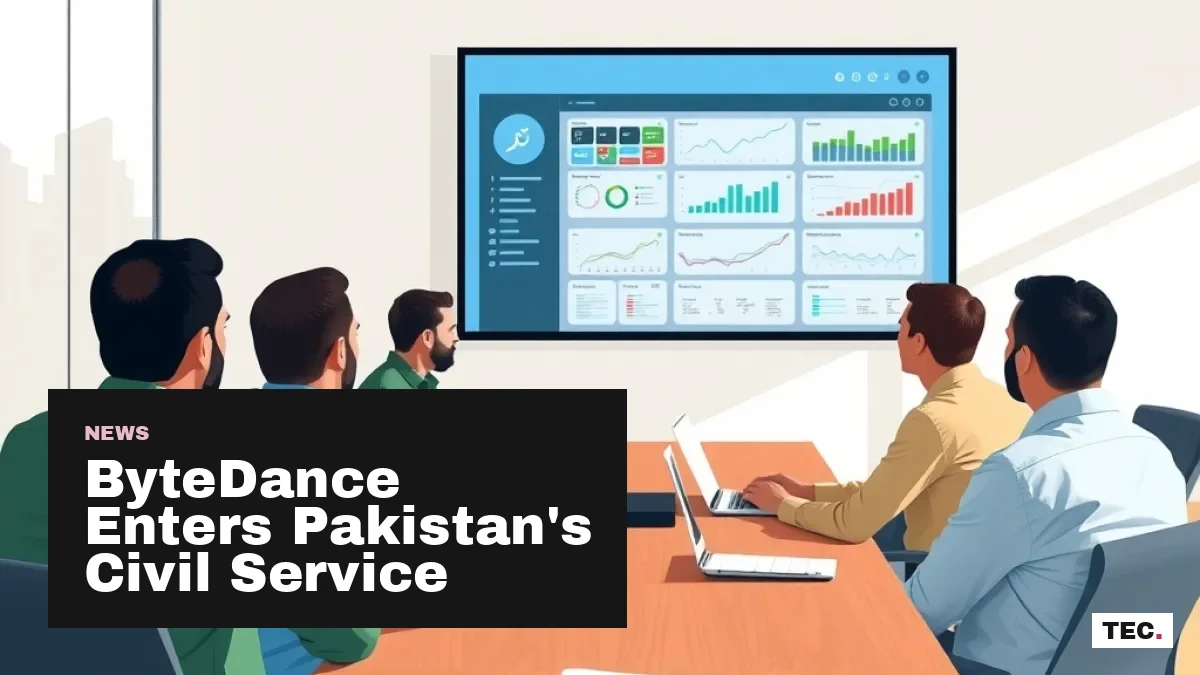
Pakistan’s federal administration could soon handle its daily operational communication through an all-in-one digital platform rather than fragmented legacy software. The Ministry of Information Technology and Telecommunication (MoITT) is in advanced talks to implement the enterprise workspace software Lark across public sector workflows. With discussions reaching their closing stages, the prospective ByteDance Lark Pakistan rollout marks a deliberate effort to consolidate civil service messaging, file handling, and coordination into a structured digital environment.
Government workflows often struggle with disconnected tools, relying simultaneously on separate document editors, external calendar apps, and unsecured messaging platforms. By moving internal administration onto a unified system, officials aim to decrease administrative delays and keep civil servants aligned on a standardized infrastructure. While the framework of the arrangement is progressing quickly within the ministry, the exact mechanics of how and where it will deploy first are still taking shape.
Why Is MoITT Reviewing Lark for Pakistan’s Public Sector?
The Ministry of Information Technology and Telecommunication held high-level discussions dedicated to evaluating Lark for institutional adoption. According to details discussed during these sessions, the institutional arrangements required to bring the system into the public sector are nearing finalization. The primary motivation centers on replacing segmented communication with a centralized workspace built specifically for large-scale operations.
Rather than managing distinct procurement contracts for separate video conferencing utilities, spreadsheet software, and chat tools, a single workspace system allows institutional teams to oversee daily operations from an identical interface. As official entities across the country modernize their back-office infrastructure—similar to institutional efforts seen when the CCP builds an AI bid rigging detection system for state market oversight—adopting integrated software platforms is becoming a common approach to modernize institutional administration.
What Core Capabilities Does the Lark Workspace Offer?
Lark functions as an all-in-one collaboration and productivity suite, combining functions that are traditionally split across standalone vendors like Slack and Microsoft Word. The platform was created to prevent workplace fragmentation, ensuring that civil servants and team managers do not lose time constantly jumping between unrelated applications to finish daily tasks.
Key functional components included within the software suite comprise:
- Unified Messaging: Direct and group communication channels designed to structure project dialogues and departmental announcements.
- Audio and Video Meetings: Integrated virtual conferencing tools that allow institutional staff to conduct remote sessions without third-party meeting links.
- Document and Content Editing: Collaborative online word processing and spreadsheets enabling multi-user drafting, editing, and internal distribution.
- Shared Calendars: Centralized team scheduling tools that coordinate departmental appointments, deadlines, and group agendas across offices.
- Native Email Integration: Built-in mail functionality linked directly to individual chats, task lists, and calendar appointments.
- Project Management and Workflow Automation: Configurable process trackers that assign responsibility, monitor operational stages, and automate recurring internal notifications.
How Does Lark Differ From ByteDance’s Consumer Portfolio?
Internationally, Chinese technology giant ByteDance is recognized primarily for its consumer-facing social media ecosystem, most notably the short-form video network TikTok and creative editing suites like CapCut. However, the enterprise software arm operates on an entirely different commercial and technical model focused on enterprise productivity.
ByteDance initially built Lark to resolve internal communication bottlenecks across its own global operations before turning it into a commercial enterprise solution. The company officially launched Lark to business clients in 2019, rolling it out across regional hubs in Singapore and Japan. Unlike social platforms tailored around user engagement and algorithmic content delivery, Lark focuses entirely on corporate administration, workflow governance, and multi-team productivity.
What Critical Implementation Details Remain Undisclosed?
Despite the discussions between MoITT and platform representatives reaching a late phase, several operational parameters have not been formally made public. Details regarding which specific departments will adopt the suite during an introductory phase remain unconfirmed. The ministry has not yet disclosed whether the software will deploy nationwide across every ministry simultaneously or run through a phased pilot within select technical bodies.
Furthermore, concrete timelines for user onboarding, institutional migration schedules, and technical support frameworks are still awaited. Just as broader regulatory adjustments and infrastructure consolidations require time—such as observed when the PTCL-Telenor deal faces delays while navigating administrative reviews—public sector technology adoptions depend heavily on defined implementation phases before broad implementation begins.
Key Questions Facing Pakistan’s Public Sector Software Transition
From an ecosystem perspective, modernizing federal communications has long been overdue, but software adoption in bureaucratic setups brings unique operational hurdles. Digital inclusion and software literacy across varied administrative grades require clear change-management plans, similar to corporate modernizations recognized when Mobilink Bank was recognized among top inclusive companies for progressive organizational practices. For civil servants and local tech observers monitoring the proposed deployment, several immediate questions stand out:
Which government departments will be mandated to use the platform first?
It remains unclear whether MoITT intends to trial Lark solely within its internal divisions and attached departments or mandate it across external federal ministries right away. Initial pilot rollouts in tech-focused agencies typically allow administrators to identify workflow bottlenecks before mandating full-scale civil service transitions.
How will the platform bridge legacy documentation with modern collaboration?
Pakistani government workflows still depend heavily on physical files, manual endorsements, and legacy desktop software. Adopting Lark means staff will need to bridge historical documentation routines with digital workflows, shared cloud files, and automated approvals inside a single workspace interface.
When will the federal government release an official rollout roadmap?
An official statement from the Ministry of Information Technology and Telecommunication is expected once the pending arrangements are formally finalized. That announcement will likely clarify the official launch schedule, technical support guidelines, and the exact institutional scope of the rollout across Pakistan’s public sector.
Source: TechJuice