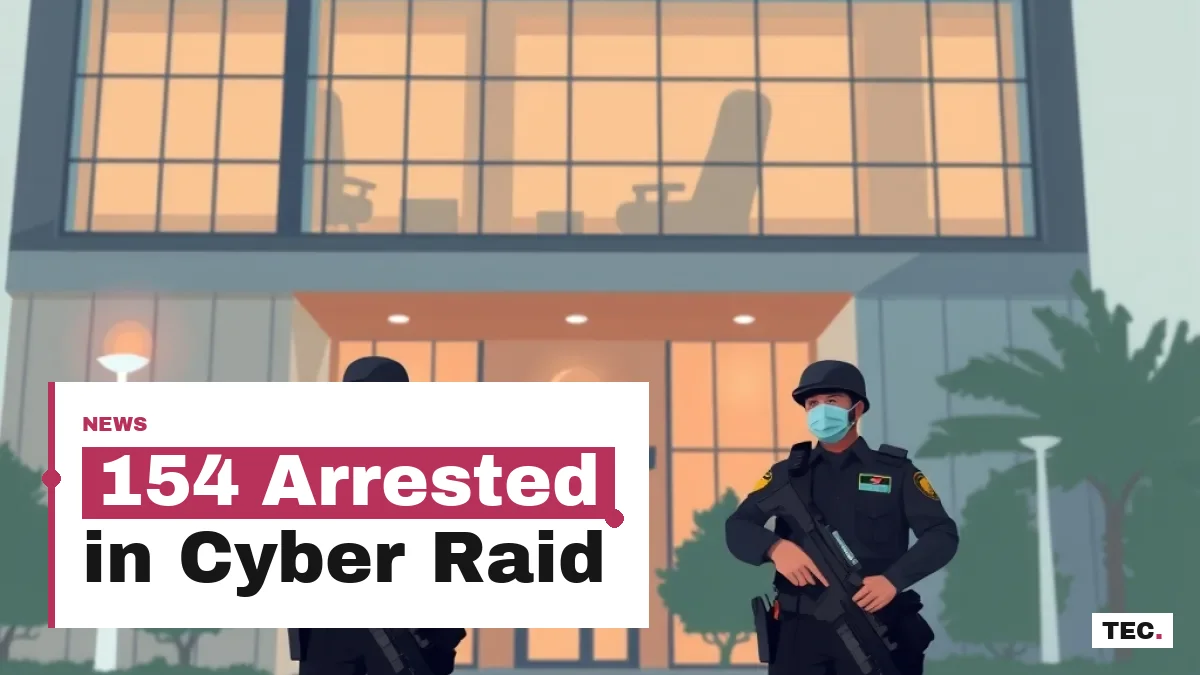
The National Cyber Crime Investigation Agency (NCCIA) has shut down two illegal call centres twin cities operations after a three-day enforcement drive across Islamabad and Rawalpindi. The raids led to the arrest of 154 suspects connected to international cyber fraud and extortion networks. For Pakistani job seekers and IT workers, the operation highlights severe legal risks tied to unverified call centre setups offering high payouts.
NCCIA Additional Director Shoaib Khan shared details of the enforcement action during a press conference on Saturday. The arrests follow investigations into digital lending scams that extracted personal phone data to blackmail targets across multiple South Asian countries.
Arrest Breakdown Across Islamabad and Rawalpindi Operations
The three-day operation targeted two separate facilities operating within the federal capital and neighbouring Rawalpindi. In Islamabad, law enforcement personnel raided a commercial call centre facility, detaining 143 suspects, including 43 women.
A parallel raid in Rawalpindi uncovered a second call centre running inside a residential house. Officers arrested 11 suspects at the location, comprising 10 women and one man. In total, 53 women were among the 154 individuals taken into custody across both locations.
According to Khan, 37 of the arrested individuals were directly implicated in harassment and blackmail activities, having operated these schemes for two to three years. Formal cases are registered against all 154 suspects, and ongoing investigations aim to trace additional links within the network. This enforcement push comes as Pakistan integrates Police Helpline 15 with NCCIA for direct cybercrime reporting to streamline responses against digital fraud networks.
Mechanics of the Loan Application Extortion Network
The illegal call centres targeted victims in several South Asian nations using deceptive financial technology products. Staff members persuaded users to download mobile loan applications by promising instant microcredit access. Once installed, the applications breached user privacy by accessing device storage, contact lists, and personal photo galleries.
The operators then used stolen media files to coerce borrowers into paying exaggerated fees. The agency outlined the core operating steps used by these illicit setups:
- Promoting unauthorized mobile loan applications to citizens in South Asian countries.
- Requiring broad app permissions that granted remote access to contacts, photos, and personal data.
- Downloading private photographs and video clips directly from victims' devices.
- Editing original media into explicit material to blackmail and threaten victims into sending payments.
The agency verified that formal charges under relevant cybercrime statutes apply to all personnel involved in managing and executing these operations.
Risks for Tech Graduates and Job Seekers
During the briefing, Khan raised concerns about young Pakistani job seekers taking employment at illegal call centres due to attractive salary packages. He warned that working for unauthorized software or support setups exposes employees to criminal prosecution, resulting in permanent police records that disrupt future career options in the legitimate technology sector.
Khan urged parents to monitor the employment choices and workplaces of their children to prevent unintentional involvement in cyber fraud. The warning comes at a time when industry leaders stress clear operational guidelines, particularly as P@SHA warns warrantless NCCIA raids threaten Pakistan's $10B IT export goal, emphasizing the need to distinguish legitimate export houses from fraudulent setups.
Forthcoming Crackdown on Online Betting and Gaming Scams
The NCCIA announced a zero-tolerance stance on digital financial crime and outlined its next enforcement targets. The agency will launch a major crackdown targeting fraudulent online betting and gaming platforms operating in Pakistan.
These betting schemes typically lure users with early profit payouts before absconding with larger deposited funds. The agency issued an advisory directing citizens to avoid downloading unverified financial apps, refrain from sharing private photographs or family details online, and reject unverified gaming schemes.
The regulatory ecosystem continues to develop standard operational procedures for digital investigations, aligned with broader judicial mandates as the IHC demands standard SOPs from PTA, Pemra, and NCCIA over online content takedowns to govern digital interventions.
Frequently Asked Questions Regarding the NCCIA Twin Cities Raids
Where were the illegal call centres operating in the twin cities?
One call centre operated out of a commercial setup in Islamabad, while the second facility operated inside a residential house in Rawalpindi.
How did the loan app scam work?
Operators convinced victims to download loan applications that extracted personal photos and contact lists. The stolen media was edited into explicit content to blackmail victims for money.
What should job seekers check before joining a local call centre?
Job seekers should verify the company's legal registration, operational history, and software products to avoid joining illegal setups that risk criminal prosecution and permanent arrest records.
Source: TechJuice