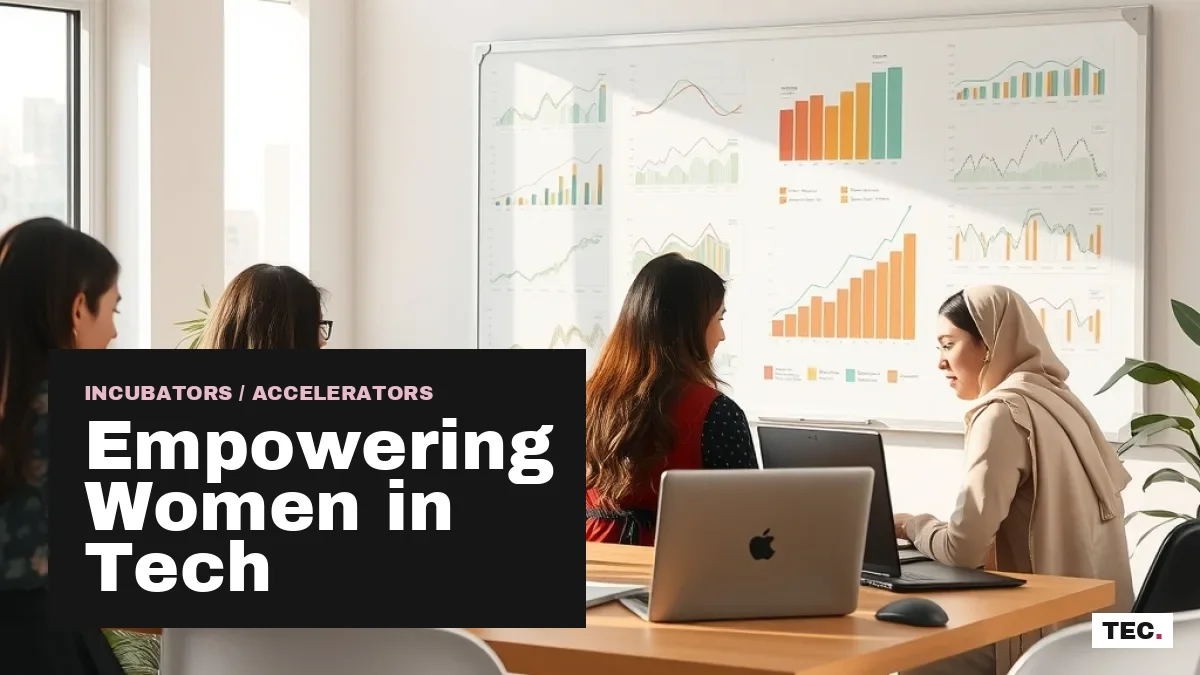
Pakistan's digital economy is set for a fresh structural push as the Ministry of Information Technology and Telecommunication rolls out a dedicated annual framework. The Ministry has announced plans to back at least 20 women-led tech startups every year, targeting the systemic hurdles that have historically kept female founders out of the mainstream technology ecosystem. Alongside business incubation, the program embeds targeted digital skills training for hundreds of micro-entrepreneurs, mapping out a clear pipeline from raw technical concepts to commercially viable digital ventures.
For founders navigating Pakistan's complex funding landscape, institutional backing of this scale addresses critical infrastructure gaps. By focusing squarely on early-stage feasibility and market scaling, the state aims to bridge the persistent divides in digital proficiency, business networking, and formal institutional support that challenge women entrepreneurs across the country.
Introducing the WISE Lab Framework
At the center of this new intervention is the Women Innovation and Startup Empowerment (WISE Lab). This dedicated structure has been built to guide female founders through the foundational phases of building a scalable technology venture. Rather than just offering temporary advisory services, the initiative is structured to help participants refine their business models, maximize commercial viability, and transition into sustainable, technology-driven enterprises.
The ministry's blueprint recognizes that brilliant technical knowledge often fails to convert into revenue without structured market access. The WISE Lab bridges this exact gap by combining business development support with targeted mentorship. It forms a key pillar within broader national efforts to increase female participation in emerging technologies and digital economic activities.
Similar state-backed empowerment steps have previously taken shape in regional hubs, such as the milestone achievements highlighted in Pakistan Inaugurates First Women's Software Technology Park in Muzaffarabad: A Leap for Women in Tech, showcasing how dedicated physical and digital infrastructure can catalyze regional tech growth.
Empowering Female Micro-Entrepreneurs
The ministry's scope extends beyond high-growth software startups down to the grassroots level of digital commerce. Under the same umbrella plan, the government aims to provide specialized digital skills training to 200 female micro-entrepreneurs annually.
This training track is built around practical, day-to-day digital adoption. It focuses heavily on:
- Equipping women with modern digital tools to streamline day-to-day business operations
- Leveraging technology-based solutions to reach wider customer bases
- Navigating and integrating with online marketplaces to scale retail footprints
By targeting micro-entrepreneurs alongside high-tech founders, the initiative creates a comprehensive talent funnel. It ensures that technical empowerment is not restricted to elite urban incubators but reaches women trading at various scales of the digital economy.
Breaking Down Barriers in Pakistan's Tech Ecosystem
Systemic friction points have long restricted female leadership within Pakistan's software houses and tech ventures. According to the ministry's framework, the new measures specifically target three primary barriers:
- Persistent gaps in advanced digital skills
- Limited access to high-value business and investor networks
- A historical lack of institutional and structural support for female-led ventures
Addressing these challenges requires a shift from general awareness campaigns to targeted capacity building. By transforming technical knowledge and raw business ideas into market-ready enterprises, the initiative directly strengthens the wider digital economy.
Broader institutional commitment to female digital inclusion continues to evolve across multiple public and private fronts, drawing inspiration from past milestones like those discussed in Empowering Women-Led Startups in Pakistan: Highlights from Women’s Entrepreneurship Day 2023. Furthermore, specialized funding initiatives such as Fueling Innovation: SBP’s Business Idea Competition for Women Entrepreneurs continue to complement state-level capacity building by opening up vital financial channels for female business owners.
What This Means for Founders and the Future
For Pakistani tech professionals and aspiring founders, the launch of the WISE Lab signals a deliberate shift toward inclusive innovation policies. While the tech sector has seen rapid expansion in recent years, equitable representation remains an ongoing challenge. Structured yearly quotas—such as supporting 20 startups and training 200 micro-entrepreneurs annually—provide predictable avenues for founders looking to secure institutional backing.
As the ministry rolls out these annual execution cycles, the onus will be on local founders to leverage these training and incubation channels effectively. Integrating these capacity-building frameworks with existing national incubation networks will determine how quickly these 20 yearly ventures can scale into sustainable market leaders.
Source: TechJuice