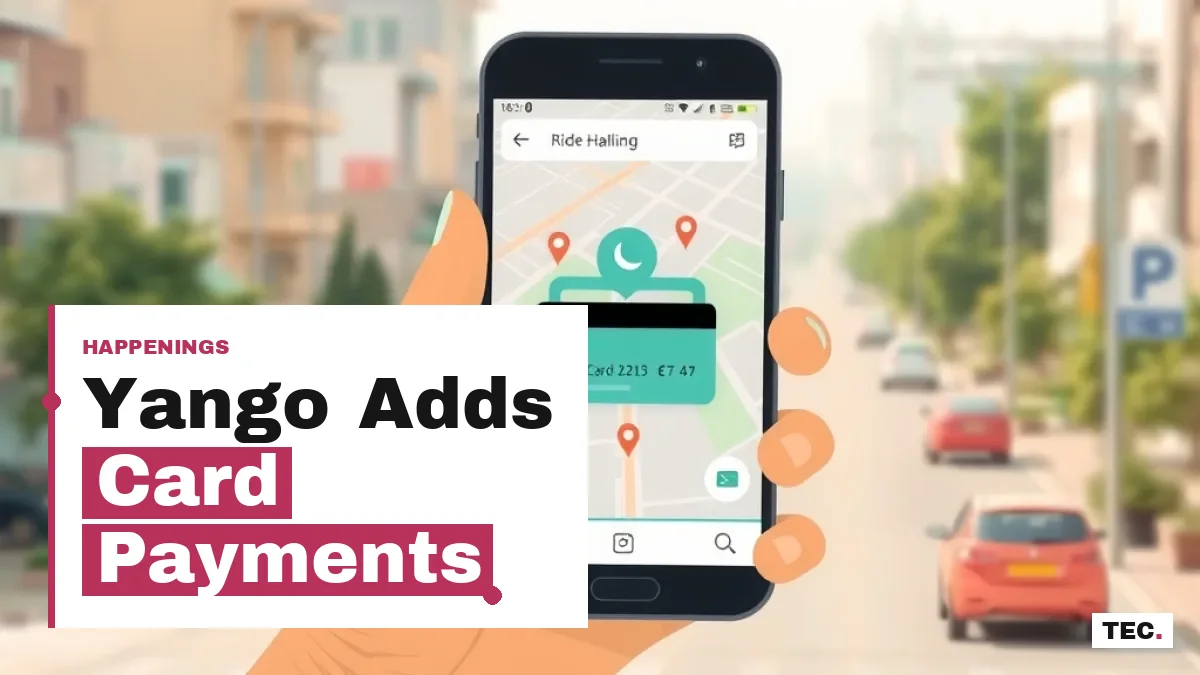
Ride-hailing commuters and tech-savvy urban users across Pakistan can now clear their trip fares without carrying physical cash. Yango Pakistan has introduced direct Yango bank card payments within its application, enabling riders to link local and international payment cards for rides, delivery bookings, and related SuperApp services. This update makes Yango Ride the first ride-hailing service operating in Pakistan to offer direct card payment options inside its mobile application.
For local tech founders, fintech developers, and digital payment providers, the integration signals growing acceptance of direct card processing in Pakistan's consumer mobility sector. The move removes transaction delays caused by cash change shortages, giving app users a digital settlement path that mirrors global ride-hailing standards.
Supported Card Networks and Verification Requirements
The updated payment integration supports a broad selection of card networks issued by local and international banking institutions. Customers can connect any active debit or credit card to their Yango account, including Visa, Mastercard, PayPak, and Union Pay cards.
To activate digital settlements, users must complete a one-time card verification and authorization process within the app interface. Once the bank verifies the payment card, the saved card details apply across all available Yango services offered within the platform's SuperApp ecosystem. Users do not need to re-enter card information for individual ride requests or delivery orders.
Why In-App Payments Matter for Local Commuters and Drivers
For years, local ride-hailing operations in Pakistan have relied heavily on cash on delivery and physical currency notes. Riders frequently face situations where driver partners lack exact paper change for larger currency notes. At the same time, drivers carrying cash balances during late-night shifts face operational risks. Direct card payments eliminate both issues by transferring funds directly through digital bank channels.
Pakistani consumers have steadily increased their reliance on digital channels for everyday payments. The expansion of mobile payment infrastructure, such as Google Wallet in Pakistan, demonstrates clear user demand for simple, contactless payment options. By bringing direct card processing to ride-hailing, Yango aligns its transport network with modern financial habits gaining traction in major Pakistani cities.
How Yango Fits into Pakistan's Cashless Payments Shift
Pakistan's broader financial market is undergoing a transition toward electronic payment channels across retail, public utility, and transport touchpoints. State institutions and private banks continue to build out infrastructure, ranging from digital payments using QR codes on utility bills to specialized consumer card products like the Bank of Punjab Mastercard card options.
Faisal Iftekhar, Managing Director at Yango Pakistan, emphasized that a useful platform must connect the entire customer journey, starting from service selection to final payment. He stated that card payments represent an important step for Yango in Pakistan, giving customers added flexibility inside a single application. Expanding digital payment choices helps lower reliance on physical currency across daily travel and ecommerce tasks.
Step-by-Step Process to Link Bank Cards in Yango
Users who wish to switch from cash settlements to card payments can set up their debit or credit cards directly through the app interface. The process involves the following steps:
- Open the Yango application menu on your smartphone.
- Navigate to the payment settings section within your account profile.
- Select the option to add a new debit or credit card.
- Enter your card details, including credentials for Visa, Mastercard, PayPak, or Union Pay networks.
- Complete the bank authorization step to confirm card validity.
- Set the verified card as your primary payment method for rides and delivery bookings.
Impact on Pakistan's Tech and Mobility Ecosystem
The introduction of direct card processing in Pakistan reflects changing dynamics for international technology companies operating in the country. Historically, foreign app providers hesitated to enable local card acquiring due to transaction failure rates, complex banking integration requirements, and low card usage among urban commuters. However, the wider distribution of local PayPak cards and debit cards by Pakistani commercial banks has created a viable user base for card-based app checkout.
Yango's payment launch coincides with broader operational updates focused on platform safety and service reliability. In recent safety reporting, Yango documented global progress that included a 31 percent decline in post-trip safety contacts in Pakistan following improvements to its safety features. Combining card authorization with improved platform monitoring indicates a structured push to build a mature digital ecosystem in the country.
Key Questions for Pakistani Ride-Hailing Users
Which bank cards can be added to the Yango app?
Users can link Visa, Mastercard, PayPak, and Union Pay credit or debit cards issued by Pakistani commercial banks or foreign financial institutions.
Is cash still accepted for Yango rides in Pakistan?
Yes, cash remains an accepted payment option. Card payments offer an alternative for passengers who prefer cashless digital transactions.
Does card authorization work across all Yango services?
Yes, once a card is verified and authorized, it can be used for ride bookings, parcel deliveries, and other services available inside the Yango SuperApp.
Why was PayPak included in the supported card networks?
PayPak is Pakistan's domestic payment scheme. Including PayPak ensures local debit cardholders who do not carry international Visa or Mastercard products can still pay digitally.
Source: PhoneWorld