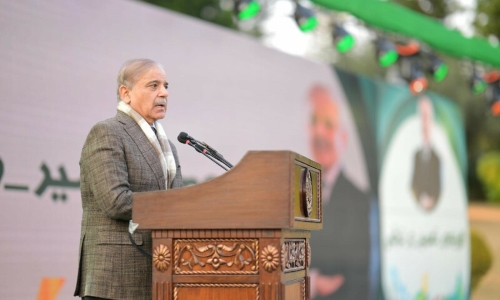
In a bold move to modernize Pakistan’s financial landscape, Prime Minister Shehbaz Sharif has directed the immediate creation of a high-powered working group tasked with overseeing the complete digitization of the economy.
This initiative aims to eliminate the informal (parallel) economy, which has long hindered transparency, tax collection, and equitable growth.
Why Digitization Matters: PM’s Vision for Economic Reform
During a high-level meeting in Islamabad, the Prime Minister stressed that digital transformation is vital for sustainable national development. Key takeaways from the meeting include:
- Eliminating the parallel informal economy
- Boosting transparency and accountability
- Increasing tax compliance and revenue
- Promoting financial inclusion
“Digitizing our economic framework is no longer optional — it’s essential,” PM Shehbaz emphasized.
Digital Wallet System: A Success Story in the Making
PM Shehbaz praised the successful implementation of the digital wallet system used for the Ramazan relief package. This tech-enabled distribution ensured:
Fairness
Transparency
Efficiency
The Prime Minister has now instructed that this digital wallet mechanism be expanded to other government welfare programs, laying the groundwork for a digital governance model.
What’s Next? Formation of a Dynamic Working Group
To fast-track this transformation, a dedicated working group will soon be established. Its responsibilities will include:
- Assessing and mapping existing economic processes
- Developing strategies for digital integration across sectors
- Coordinating between government departments and stakeholders
- Implementing real-time tracking for transactions, subsidies, and services
A Step Toward a Transparent, Inclusive, and Efficient Economy
Pakistan’s informal economy accounts for a significant chunk of economic activity — often untaxed and unregulated. With this digitization drive, the government aims to:
- Bring more citizens and businesses into the formal financial system
- Strengthen public service delivery
- Improve GDP documentation
- Align with global best practices in digital governance
What This Means for You
Whether you’re a business owner, freelancer, or consumer, here’s how this move could impact your future:
- Digital payments will become the norm
- More access to government support and services online
- Easier tax filing and compliance
- Transparent subsidies, loans, and relief packages
Final Thoughts
PM Shehbaz’s latest directive reflects a clear and urgent push toward building a modern, transparent, and tech-driven economy. By eliminating the shadow economy and promoting digital financial inclusion, Pakistan is stepping into a smarter economic future.